
Engineering fundamentals
Build understanding of product architecture, component functionality, vehicle packaging, materials, engineering drawings, mechanical assemblies and interfaces.
MYTECHLEARN is a specialist automotive product design and engineering training academy in Hyderabad, Telangana, India. We help mechanical and automobile engineering graduates, freshers, working professionals and career-restarters build practical knowledge of vehicle components, systems and product development. Training is delivered through classroom learning at our Hyderabad academy; learners from across India and international enquirers are welcome to contact admissions about attendance and programme suitability.
Go beyond CAD commands and understand why components are designed in particular ways. Explore component functionality, packaging, materials, manufacturing feasibility, joining, assembly, GD&T, tolerance stack-up, design risk, validation and engineering release through structured learning, practical assignments and technical reviews.
Programmes generally run for 4–6 months, depending on the selected programme and learning requirements. Batch schedules and fees are explained during counselling. Classroom training is conducted at the Hyderabad academy. Employment and placement are not guaranteed.
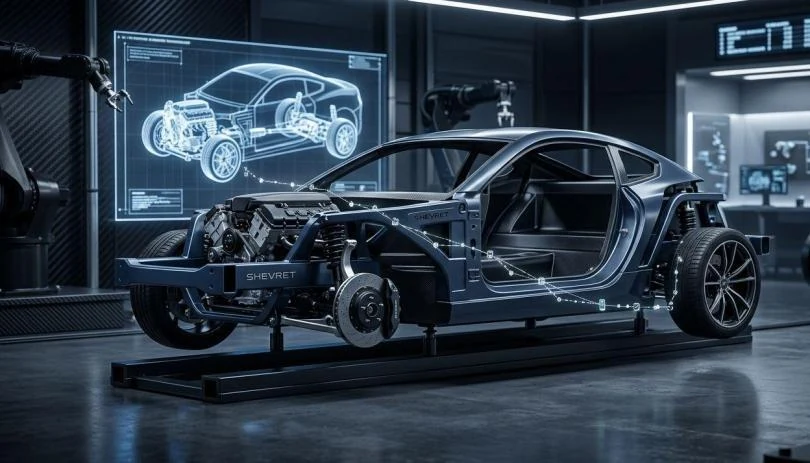
Automotive product design engineering converts vehicle requirements and functional objectives into components and assemblies that can be manufactured, assembled, inspected, tested and prepared for production.
Build understanding of product architecture, component functionality, vehicle packaging, materials, engineering drawings, mechanical assemblies and interfaces.
Explore sheet metal, plastics, stamping, injection moulding, casting, machining, joining technologies and assembly constraints that influence component geometry.
Understand GD&T, tolerance stack-up, DFM, DFA, DFMEA, validation planning, engineering documentation and change management.
A vehicle is an integrated system of structural, mechanical, electrical, thermal, interior and exterior components. Design decisions must consider function, interfaces, dimensional variation, manufacturability, assembly, durability and quality—not only the appearance of a 3D model.
Automotive product design engineering is the discipline of translating vehicle targets, packaging envelopes, and functional requirements into parts and assemblies that can be manufactured repeatably, assembled cleanly, inspected reliably, and validated for service life. Every component must work within surrounding vehicle interfaces while balancing structural stiffness, weight, cost, safety/regulatory expectations, and manufacturing limits.
Depending on the component and customer programme, engineers work alongside references such as ASME Y14.5 or ISO for dimensional and geometric definition, quality-system expectations, DFM/DFA for manufacturability and assembly feasibility, DFMEA for risk analysis, DVP&R for verification planning, and APQP/PPAP for production readiness. Applicable vehicle standards and regulations—such as FMVSS or UN ECE—depend on target markets, vehicle categories, and product scope, with current customer-approved requirements always governing.
Training assignments are structured around reviewable engineering outputs: component function and interface briefs, packaging and master-section studies, material and manufacturing process rationale, DFM/DFA reviews, datum schemes, tolerance stack-up studies, DFMEA actions, DVP&R validation plans, and revision-controlled ECR/ECN records. The objective is to understand how OEM, Tier-1, and engineering-services teams evaluate a design—not simply how to create geometry.
A practical checklist covering design intent, DFM/DFA, GD&T, tolerance analysis, DFMEA, DVP&R and engineering release evidence.
Automotive engineering roles are divided across vehicle OEMs, Tier-1 component suppliers, and Engineering Research & Development (ER&D) service providers. Each evaluates a design from a different angle, so we train you to the expectations of all three.
| Employer Type | Core Focus | Typical Engineering Outputs | Key Review & Interview Themes | Core Modules |
|---|---|---|---|---|
| OEM Design & Release | Vehicle targets, packaging envelopes, cross-system integration, design freeze, and release | Requirement books, Interface Control Documents (ICDs), package studies, release sign-offs | Systems thinking, interface control, packaging trade-offs, ECR/ECN impact | Product Development, ICD, ECR/ECN, GD&T |
| Tier-1 Supplier | Component and subsystem design to OEM specifications, cost targets, and tooling/process capability | Part drawings, DFM/DFA reviews, datum & stack-up studies, DFMEA, DVP&R, APQP/PPAP evidence | Tooling feasibility, GD&T & tolerance control, failure modes, validation closure | DFM, DFA, DFMEA, DVP&R, APQP/PPAP |
| Engineering Services (ER&D) | Multi-client design support, feasibility engineering, tolerance/CAD packages, and technical reports | Feasibility notes, stack-up analyses, design review decks, structured engineering documentation | Technical breadth, analytical accuracy, clear documentation, review readiness | Tolerance stack-up, DFM/DFA reviews, documentation |
Each domain covers component function, subsystem architecture, material and process selection, joining and assembly interfaces, dimensional requirements, and validation considerations. Every domain page lists deliverables, review checkpoints, an annotated reference, and the methods applied.
 00
Builds foundational engineering fluency across sheet metal, plastics, load transfer, joints/fasteners, DFM principles, and dimensional controls used across every vehicle system.
 01
Covers structural body architecture, rails, pillars, cross-members, reinforcements, master sections, load paths, stamping feasibility, spot-weld/joining access, and locating datum schemes.
 02
Focuses on doors, hoods, tailgates, and movable body systems—covering hinges, latches, weatherstrip sealing, sag control, and exterior gap-and-flush alignment.
 03
Covers instrument panels, door trims, consoles, and cabin trim—emphasising injection-moulding DFM, ribs/bosses/clips, packaging interfaces, and squeak-and-rattle prevention.
 04
Focuses on bumpers, grilles, fascias, and exterior trim—addressing styling-to-engineering integration, parting lines, draft, surface/paint feasibility, mounting brackets, and impact/packaging considerations.
 05
Covers seat frames, tracks, recliners, adjustment mechanisms, anchorages, occupant packaging/ergonomics, structural load paths, and validation requirements.
 06
Focuses on headlamps, tail lamps, optical packaging, housings/lenses, joining methods, venting and condensation control, aiming, and environmental validation.
 07
Covers electric vehicle battery pack enclosures, structural/crash protection, sealing, thermal management and cooling interfaces, high-voltage packaging, and validation planning.
 08
Teaches datum reference frames, feature control frames, position, profile, orientation, runout, inspection/measurability, and tolerance stack-up analysis.
These are the review disciplines OEM and Tier-1 programmes run on. The learning approach introduces worked examples, engineering checklists and practical assignments where included in the selected programme.
| Method | Question it answers | Typical output | Owner | Gate | Learn it |
|---|---|---|---|---|---|
| DFM | Can it be made repeatably without tooling traps? | Feasibility notes, tooling risks | Design + supplier | G1–G2 | Open module |
| DFA | Can it be assembled cleanly and correctly? | Access, sequence, poka-yoke list | Design + plant | G1–G2 | Open module |
| Tolerance stack-up | Will it fit, align, and look right? | Loop, worst-case and RSS result | Design + dimensional | G2 | Open module |
| DFMEA | What can fail and how bad is it? | Ranked risks, actions | Design + quality | G2–G3 | Open module |
| DVP&R | How do we prove it works? | Test plan and report | Design + validation | G3 | Open module |
| APQP & PPAP | Is the manufacturing process capable? | Control plan, Cpk, PSW | Supplier quality | G4 | Open module |
| ECR / ECN | What changes, from when, and who is impacted? | Impact analysis, effectivity | Change board | G2–G5 | Open module |
Understand the engineering activities that connect initial product intent with validated design and production readiness.
Interpret product requirements, functional objectives, initial concepts and component feasibility.
Study existing components, engineering references, competing products and alternative design approaches.
Evaluate functional requirements, package space, clearances, component interfaces and assembly constraints.
Develop component geometry, engineering sections, assemblies, interfaces and detailed design information.
Review tooling, process limitations, joining methods, accessibility, assembly sequence and production feasibility.
Establish functional datums, dimensional tolerances, geometric controls and tolerance analysis requirements.
Consider component behaviour, potential design failure modes, manufacturing risks and engineering limitations.
Understand verification methods, prototype evaluation, test planning, acceptance criteria and validation evidence.
Prepare drawings, review engineering changes and understand technical approvals and release documentation.
Explore APQP, PPAP, process capability, inspection planning and production approval fundamentals.
Designs advance through engineering gates based on verified technical evidence rather than schedule milestones alone. See what each gate asks for and which MYTECHLEARN module teaches it.
| Gate | Decision | Evidence required | Where you learn it |
|---|---|---|---|
| G0 Concept | Proceed to feasibility | Functional targets, package envelope, benchmark study | Product Development |
| G1 Feasibility | Concept is buildable | DFM/DFA feasibility notes, joining/access checks, stack-up v1 | DFM · DFA |
| G2 Design freeze | Release for tooling | Datum scheme, stack-up (worst-case / RSS), DFMEA rev A, drawings | GD&T · DFMEA |
| G3 Validation | Design meets requirements | DVP&R test plan, test results, and verification closure | DVP&R |
| G4 PPAP | Process is capable | Control plan, capability/inspection evidence, PSW | APQP & PPAP |
| G5 SOP | Start of production | Change impact review, BOM/tooling/validation check, ECN effectivity | ECR / ECN |

Experienced reviewers look past surface appearance to check structural continuity, weld/tool access, wall thickness, formability, datum logic, and the difference between worst-case and RSS variation. All diagrams are original educational illustrations, not OEM drawings.


Most courses teach you to produce geometry. Employers hire engineers who can defend it.
| Aspect | Tool-operation course | MYTECHLEARN product design training |
|---|---|---|
| What you learn | Menu and command sequences | Why a component is shaped, joined and toleranced the way it is |
| Primary question | "How do I draw this?" | "Will it function, assemble, pass validation and be made at cost?" |
| Assessment | Finished model | Design rationale, DFM review, datum scheme, DFMEA and DVP&R |
| Employer value | Execution of instructions | Engineering judgement that OEMs and Tier-1s hire for |
| Portfolio | Screenshots | Evidence dossier with function briefs, section notes, stack-ups, risks and verification |
Each project is reviewed against a checklist used in supplier and OEM design reviews—building evidence dossiers with function/interface briefs, packaging/section notes, DFM/DFA checks, GD&T/stack-up work, DFMEA actions, and DVP&R outlines.
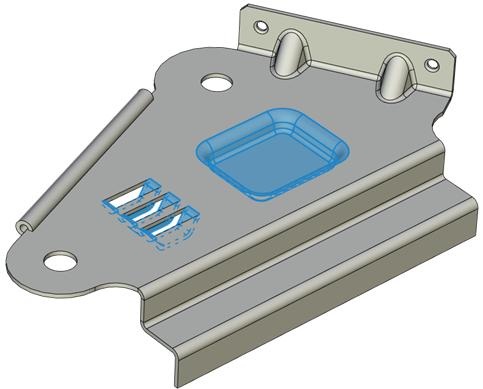
Section, load path, stamping DFM and joining access for a rail or pillar.
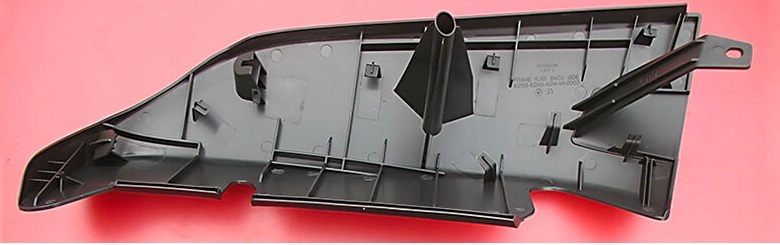
Draft, wall, ribs, clips and tooling direction with a supplier-style DFM review.
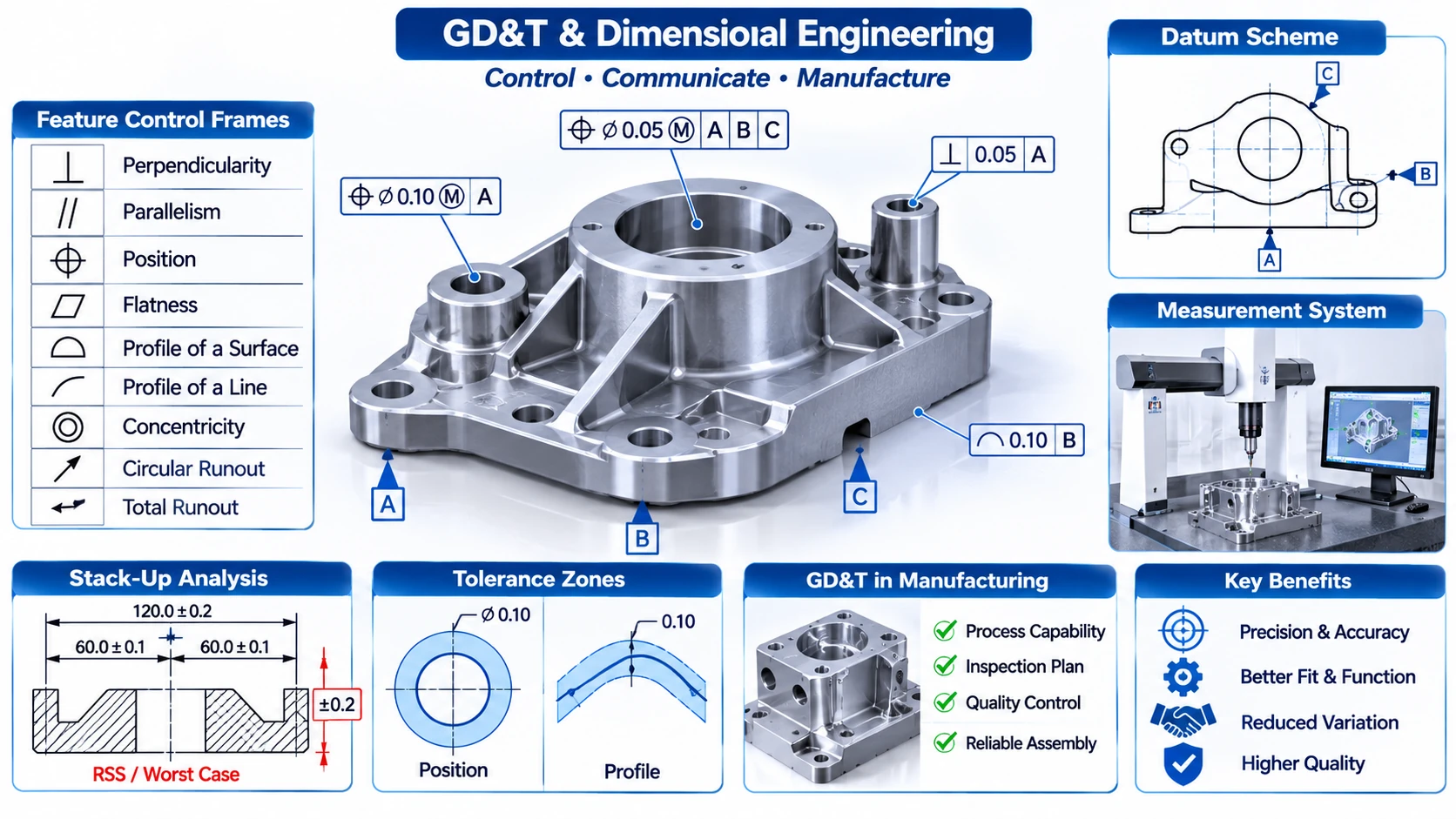
Datum conflicts, feature control frames and measurability of callouts.
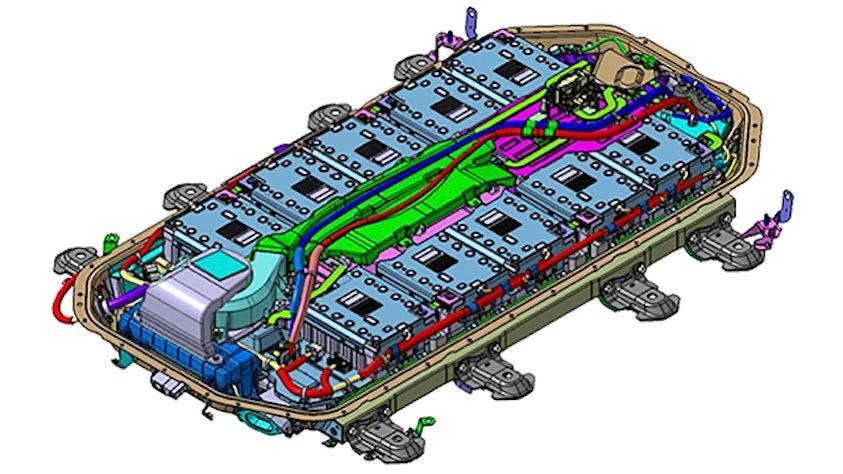
Enclosure architecture, sealing, crash protection and validation plan.
Freshers, working professionals and returning engineers follow different sequences through the same modules.
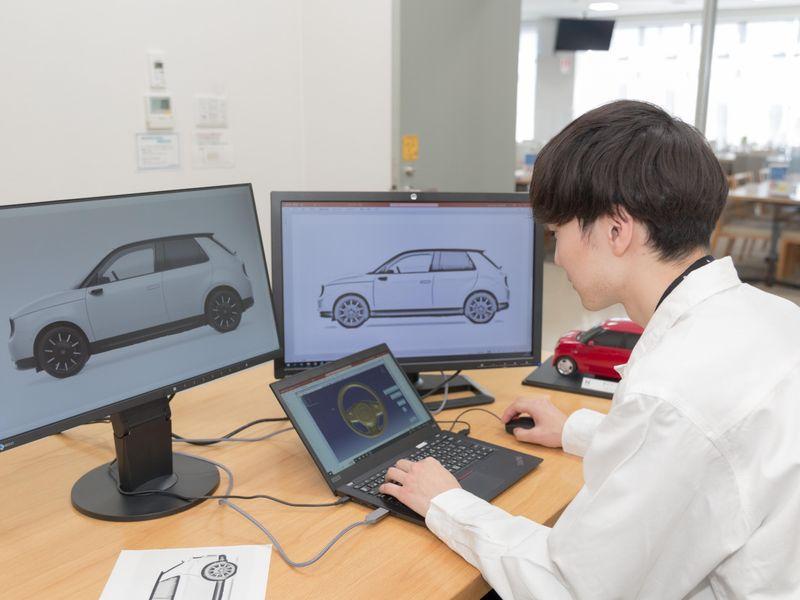
Build core mechanical and automotive fundamentals, explore target domains, complete guided assignments, and assemble a reviewable portfolio for entry-level roles such as Graduate Engineer Trainee or Trainee Design Engineer (subject to employer criteria).
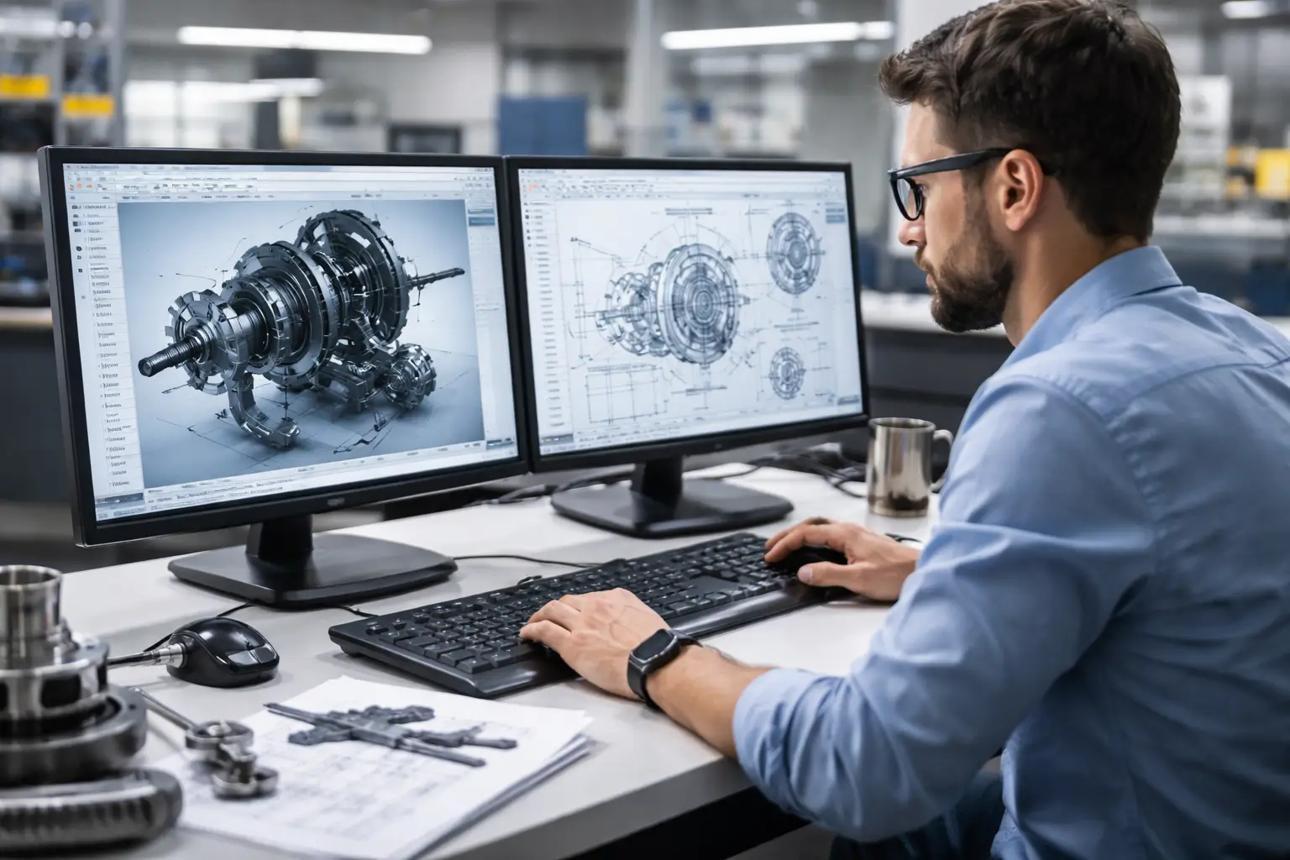
Deepen command of DFM/DFA, GD&T, tolerance stack-up, DFMEA, DVP&R, APQP/PPAP, and ECR/ECN to move toward greater design ownership and technical review readiness for Design Engineer or Senior Design Engineer roles.

Refresh foundational and current automotive product engineering methods, complete practical domain assignments, and rebuild technical review and interview confidence when returning after a career gap.
Our learning approach connects concepts with component studies, structured assignments and the ability to explain engineering decisions.
Study engineering fundamentals, product requirements, component function and vehicle system context.
Review component interfaces, packaging, material choices, manufacturing processes and assembly constraints.
Apply engineering principles to component geometry, sections, assemblies and design documentation.
Consider dimensional requirements, manufacturing feasibility, design risks and validation needs.
Communicate design rationale and technical decisions through structured engineering documentation.
Use technical feedback and review comments to strengthen understanding and assignment quality.
Depending on the programme, learning may support preparation for career areas such as Automotive Product Design Engineer, Mechanical Design Engineer, BIW Design Engineer, Closures Design Engineer, Interior or Exterior Product Design Engineer, Seating Systems Engineer, Automotive Lighting Engineer, EV Battery Mechanical Design Engineer, GD&T and Dimensional Engineer, Manufacturing Design Engineer, Product Development Engineer, and Quality or Validation Engineer. Guidance can include domain selection, engineering portfolio preparation, resume and LinkedIn profile guidance, technical interview preparation and career roadmap discussions. These are potential career areas, not promised job outcomes.
Important: Career guidance and interview preparation do not constitute a job offer or employment guarantee. Hiring decisions, eligibility and compensation are determined by employers.
Answers to common questions about curriculum, eligibility, classroom training, programme duration, projects and career guidance. For current batch information, call or WhatsApp +91 88978 73158.
It develops the engineering knowledge required to understand vehicle components, product architecture, materials, manufacturing feasibility, assembly, GD&T, tolerance analysis, validation and production release.
Mechanical, automobile, manufacturing and related engineering graduates, eligible diploma holders, working professionals and engineers returning after a career break can enquire about suitable learning pathways.
Mechanical Design, Body-in-White (BIW), Closures, Interior Product Engineering, Exterior Product Engineering, Seating Systems, Automotive Lighting, EV and Battery Engineering, and GD&T and Dimensional Engineering.
The learning approach connects engineering fundamentals with practical assignments, automotive component studies, design exercises, manufacturing considerations and structured technical reviews.
Programmes generally run for four to six months, depending on the selected programme, domain coverage and learning requirements. Batch schedules are shared during counselling.
MYTECHLEARN is based in Hyderabad, Telangana, India. Training is conducted through classroom learning at the Hyderabad academy.
The training described on this website is classroom-based at the Hyderabad academy. Contact admissions for current attendance requirements and programme availability; do not assume online or remote delivery.
Yes. GD&T and Dimensional Engineering cover drawing interpretation, datum reference frames, feature control frames, geometric tolerances, functional dimensions and tolerance stack-up fundamentals.
DFM evaluates whether a component can be manufactured consistently. DFA evaluates whether components can be assembled correctly and efficiently. DFMEA identifies potential product failure modes, their effects and causes, and actions to reduce design risk.
Project studies may include BIW components, plastic automotive parts, GD&T drawing analysis, EV battery enclosures, door trims and seating structures. Actual assignments depend on the selected programme.
No. MYTECHLEARN provides career development guidance and technical interview preparation. Employment and placement are not guaranteed; hiring decisions remain with employers.
Programme assignments are designed to help learners build engineering evidence such as component studies, packaging reviews, DFM/DFA assessments, datum schemes, tolerance analyses and validation plans. Actual portfolio outputs depend on the selected programme and completed assessments.
No. MYTECHLEARN is a specialist automotive product design and engineering training academy. Its training does not replace an accredited engineering qualification.
Contact admissions for technical counselling. Your educational background, previous experience, engineering interests and career objectives can be considered when discussing a suitable learning pathway.
Complete the enquiry form, call +91 88978 73158 or contact MYTECHLEARN through WhatsApp to request a free technical demo.
MYTECHLEARN is based in Hyderabad, Telangana, India. All training advertised on this website is classroom-based at the Hyderabad academy.
Enquire about classroom programmes in Automotive Product Design, Mechanical Design, BIW, Interior and Exterior Engineering, EV Battery Engineering, GD&T and related domains.
Prospective learners from Bengaluru, Chennai, Pune, Mumbai, Delhi NCR and other locations in India may contact admissions to discuss eligibility, travel, classroom attendance and batch availability.
International visitors can review the curriculum and contact the academy to discuss the Hyderabad classroom location, attendance requirements and programme arrangements. Online or remote training is not offered unless formally announced by MYTECHLEARN.
Explore our classroom learning approach, review a sample automotive engineering assignment and discuss programme duration, curriculum coverage, eligibility, batch schedules and fees with the admissions team.
Fill out the form below and we will get in touch.
Thank you for reaching out. Our admissions team will review your details and contact you shortly to schedule your free technical demo.